
The Nature of Gambling Behavior
Gambling behavior encompasses a wide range of activities that individuals engage in, driven by various psychological factors. At its core, gambling is often characterized by the thrill of risk-taking, the potential for financial gain, and the allure of uncertainty. This dynamic interaction can lead to complex emotional responses, making it crucial to understand the underlying motivations that propel individuals toward new betting sites and gambling activities. Recognizing these elements helps researchers and practitioners develop more effective strategies for addressing gambling-related issues.
One significant aspect of gambling behavior is the concept of reward. The possibility of winning money creates a powerful incentive for many individuals, triggering the brain’s reward system. Neurotransmitters like dopamine are released when people experience wins, effectively reinforcing the behavior. This can create a cycle where the excitement of winning leads to more gambling, as individuals seek to replicate the euphoric feeling associated with their rewards. Awareness of this cycle is essential for individuals who may find themselves gambling excessively.
Additionally, gambling behavior can be influenced by social factors. Peer groups, cultural norms, and societal attitudes toward gambling can shape an individual’s decisions and perceptions. For instance, in environments where gambling is normalized or celebrated, individuals may feel pressure to participate, further complicating their relationship with gambling. Understanding the interplay of social influences and personal motivations is critical for a comprehensive view of gambling behavior.
Cognitive Biases and Decision-Making
Cognitive biases play a pivotal role in gambling behavior, often leading individuals to make irrational decisions that can result in negative consequences. One such bias is the “gambler’s fallacy,” the belief that past outcomes influence future chances. For example, someone may believe that a string of losses in a game suggests a higher probability of winning in subsequent rounds. This misjudgment can lead to increased betting, as individuals dismiss the randomness of games and mistakenly think they can manipulate outcomes.
Another cognitive bias that affects gamblers is the “illusion of control.” Many people think they can influence the outcome of a game of chance through skill or strategy, which is particularly evident in activities like poker or sports betting. This belief can foster a false sense of confidence, encouraging individuals to engage more frequently in gambling. By understanding these biases, gamblers can develop better strategies to reflect on their decision-making processes.

Furthermore, emotional states significantly impact the cognitive processes involved in gambling. Stress, anxiety, or excitement can cloud judgment, leading to impulsive betting behaviors. For example, someone under financial stress may gamble in hopes of winning money to alleviate their situation, which can lead to even worse financial hardship. Acknowledging the emotional triggers that drive betting decisions can be helpful for individuals seeking to gain control over their gambling habits.
The Role of Environment in Gambling Behavior
The environment surrounding gambling activities can greatly influence behavior. Many individuals are drawn to casinos or betting venues due to the sensory experiences they provide, such as bright lights, sounds, and the overall ambiance. These environments are meticulously designed to elicit excitement and encourage prolonged engagement, increasing the chances of gambling-related behavior. Recognizing these environmental cues is vital for understanding how they affect decision-making and gambling frequency.
Beyond the physical aspects, the availability of gambling options plays a crucial role in shaping behavior. In areas where gambling is readily accessible, individuals are more likely to participate. This can be seen in regions with numerous betting shops or online platforms that provide easy access to gambling activities. The convenience of these options can lead to an increase in impulsive behavior, making it essential for those involved in gambling to reflect critically on their choices in these environments.
Social dynamics also contribute to how individuals engage with gambling environments. Groups of friends may encourage one another to gamble, creating a sense of camaraderie. This peer influence can cause individuals to partake in gambling behavior they may otherwise avoid, further complicating their relationship with games of chance. By understanding the social components at play, individuals can better navigate the complexities of gambling behavior in different contexts.
Addiction and Its Psychological Underpinnings
Gambling addiction is a serious condition that affects many individuals, often leading to devastating consequences. The psychological underpinnings of this addiction can be understood through various lenses, including the impact of reinforcement, emotional regulation, and cognitive dissonance. For many, gambling serves as an escape from reality, allowing individuals to cope with stress or emotional pain. This can create a cycle of dependency, where gambling becomes the primary means of managing emotional distress.
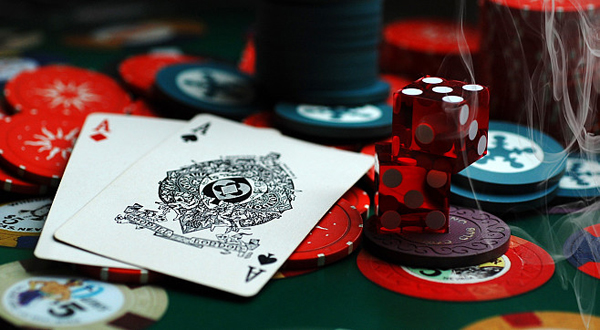
The compulsive nature of gambling addiction is often exacerbated by the pleasure obtained from wins and the pain of losses. Individuals may experience intense cravings for that adrenaline rush, leading them to gamble despite negative consequences. This struggle between desire and consequence is a hallmark of addictive behaviors, making it essential for those affected to seek help and develop healthier coping mechanisms.
Moreover, the stigma surrounding gambling addiction can hinder individuals from seeking assistance. Many may feel shame or embarrassment about their behavior, which can prevent them from accessing support systems and resources. Breaking this stigma is critical to promoting awareness and understanding of gambling addiction, ultimately aiding individuals in their recovery journeys. A comprehensive approach to addressing this issue involves education, empathy, and accessible support for those in need.
Understanding Gambling Through Research and Resources
Research into the psychology of gambling behavior is crucial in developing effective interventions and support systems. Various studies have explored the motivations and cognitive processes behind gambling, providing insights into how individuals engage with these activities. By analyzing patterns of behavior and identifying risk factors, researchers can work to create targeted educational programs that raise awareness about gambling-related risks.
Resources available for individuals struggling with gambling issues are vital in fostering recovery and promoting healthier behaviors. Many organizations provide counseling, support groups, and educational materials that help individuals understand their gambling habits and encourage them to seek assistance. These resources also serve to inform the public about the complexities of gambling behavior and the various factors that contribute to addiction.
In addition, online platforms and community initiatives are emerging to create supportive environments for individuals affected by gambling. These platforms can offer information, tools for self-assessment, and forums for sharing experiences. By facilitating open dialogue and providing access to information, these resources play a crucial role in addressing the psychological aspects of gambling behavior, ultimately guiding individuals toward healthier choices and lifestyles.